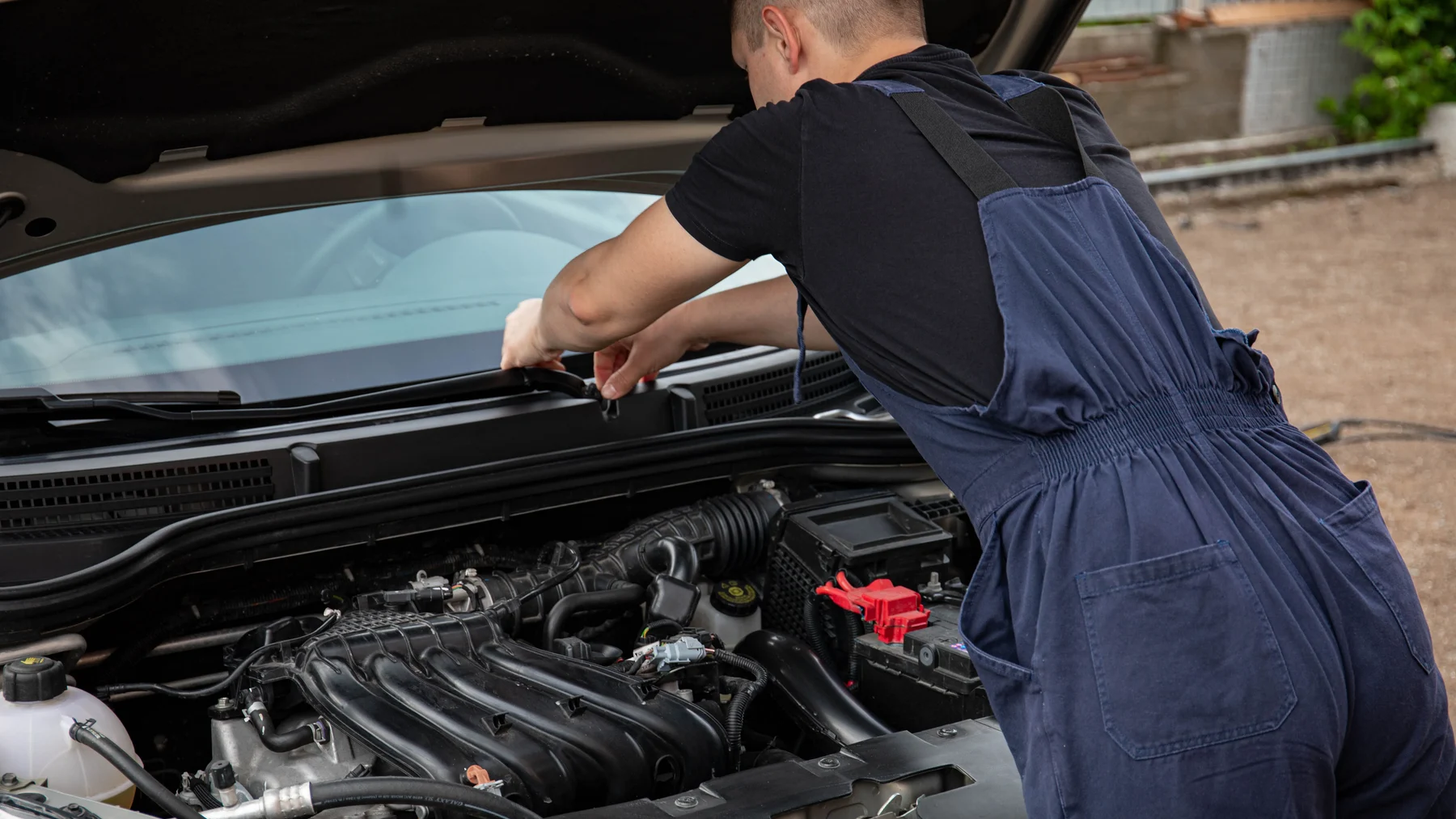
Nothing tests a car's cooling system like a Hampton Roads summer, and few places demand more of it than the stop-and-go crawl toward the tunnels on a 95-degree, humid July afternoon. When you are barely moving on I-64 with the sun beating down, your engine cannot rely on airflow to stay cool, so the cooling system has to do all the work. That is exactly when a marginal radiator, a tired thermostat, or old coolant chooses to fail, leaving a driver overheated on the shoulder. This guide explains how to keep your cooling system healthy through Chesapeake summers and the warning signs never to ignore.
Your engine produces enormous heat, and the cooling system, coolant, radiator, water pump, thermostat, hoses, and fan, carries that heat away to keep the engine in its safe operating range. At highway speed, air rushing through the radiator helps enormously. In stop-and-go traffic, that airflow disappears and the system leans entirely on the coolant, water pump, and cooling fan. Add Hampton Roads' summer heat and humidity, and the margin for error shrinks. A cooling system that seems fine cruising on the highway can be overwhelmed sitting in tunnel backup traffic, which is why summer is when weaknesses surface.
Coolant, or antifreeze, is the lifeblood of the system, and it does not last forever. Over time it loses its heat-transfer and corrosion-fighting properties and can turn acidic, corroding the radiator and water pump from the inside. Most manufacturers specify a coolant flush interval, and honoring it is one of the cheapest ways to prevent an expensive overheating failure. The coolant also needs to be the correct type and the right mix with water; the wrong coolant or a weak mixture reduces protection. If you cannot recall the last time your coolant was serviced, summer is the time to have it checked.
A few components are the usual suspects when a car overheats around Chesapeake. The thermostat can stick closed, blocking coolant flow and causing rapid overheating. The water pump, which circulates the coolant, can wear out or leak. The radiator can clog or develop leaks, and the cooling fan, essential at low speed, can fail electrically. Hoses harden, crack, and burst with age and heat, dumping coolant in seconds. Any one of these can leave you stranded, and several of them give warning signs first if you know what to watch and listen for.
Your car will usually warn you before it strands you. The temperature gauge creeping above normal, especially in traffic, is the clearest sign; if it climbs toward the red, that is an emergency. Coolant on your driveway, a sweet smell, or steam from under the hood all point to a leak. A heater that blows cold when set to hot can indicate low coolant or a flow problem. Gurgling sounds, a low coolant reservoir, or the check-engine light flagging a cooling fault all deserve prompt attention. Catching these early, especially before a long summer drive, prevents a roadside breakdown in the heat.
If your temperature gauge spikes while you are stuck in traffic near the High Rise Bridge or a tunnel, act quickly and calmly. Turn off the air conditioning and turn the heater to full hot to pull heat off the engine, which is uncomfortable but helps. If it keeps climbing, get to a safe spot and shut the engine off to let it cool. Never open a hot radiator cap, since pressurized scalding coolant can erupt. Continuing to drive an overheating engine risks warping the head and cracking components, turning a modest repair into a major one. When in doubt, stop and call for help.
The rubber and driven parts of the cooling system deserve regular inspection because they fail without much warning. Radiator and heater hoses harden and crack with age and heat, and a burst hose empties the system fast. The belt that may drive the water pump, and the pump itself, wear over time; a whining noise or a coolant weep at the pump is a signal. Replacing an aging hose or a worn pump proactively is far cheaper and less stressful than a roadside failure in July. Manufacturers like Gates publish guidance on hose and belt life at gates.com. A summer cooling inspection catches these before they leave you stranded.
Staying ahead of cooling trouble is easy with a short routine. Before the peak of summer, have the coolant tested and the level checked, and flush it if it is due. Have the hoses, belts, water pump, and radiator inspected for leaks and wear, and confirm the cooling fan operates. Keep an eye on your temperature gauge in daily traffic and treat any upward creep as a signal, not a fluke. Carrying a jug of the correct pre-mixed coolant is smart insurance for summer drives. This little bit of prevention is what keeps you moving through Chesapeake's hottest, most congested days.
One reason cooling-system care matters so much is that overheating rarely stays a cooling-system problem; it cascades into the most expensive parts of your car. Sustained overheating can warp the cylinder head, blow the head gasket, and damage the engine internals, repairs that run into the thousands. It also stresses your transmission, since many vehicles route transmission fluid through a cooler in the radiator, so a failing cooling system can cook the transmission fluid at the same time, compounding the damage. Even your air conditioning is affected, because the AC condenser sits right in front of the radiator and shares the same airflow, which is part of why cabin cooling and engine cooling struggle together in traffic. Because everything is connected, keeping the cooling system healthy protects a whole chain of expensive components, not just the radiator. That is the real argument for a preventive summer check: for the modest cost of a coolant test, a pressure check, and a hose inspection, you protect the engine, the transmission, and the AC all at once. For drivers who commute daily across Hampton Roads, sit in tunnel traffic, or tow to the water on weekends, that peace of mind is well worth it, and it is exactly the kind of straightforward, high-value maintenance our Chesapeake shop is glad to handle before the hottest stretch of the year arrives.
Your cooling system is what stands between you and an overheated engine on the worst possible stretch of I-64, so it deserves attention before summer peaks, not after it fails. Service the coolant on schedule, inspect the hoses, pump, and radiator, and never ignore a rising temperature gauge. A modest preventive check is far cheaper than the tow and repair that follow an overheating breakdown, not to mention the ruined afternoon. If you would like your cooling system checked before the next heat wave, we are glad to take a look. Our Chesapeake auto repair cost guide helps you plan.
At highway speed, air rushing through the radiator helps cool the engine, but in stop-and-go tunnel and interstate traffic that airflow disappears and the system relies entirely on the coolant, water pump, and cooling fan. Add our summer heat and humidity, and a marginal radiator, tired thermostat, or old coolant gets overwhelmed. That is why weaknesses surface in traffic rather than on the open highway.
Turn off the AC and turn the heater to full hot to pull heat off the engine, which is uncomfortable but helps. If the gauge keeps climbing, get to a safe spot and shut the engine off to cool. Never open a hot radiator cap, since scalding pressurized coolant can erupt. Continuing to drive an overheating engine risks major damage, so when in doubt, stop and call for help.
How to Pass Your Virginia State Inspection the First Time — Honest auto repair and maintenance across Chesapeake and Hampton Roads.