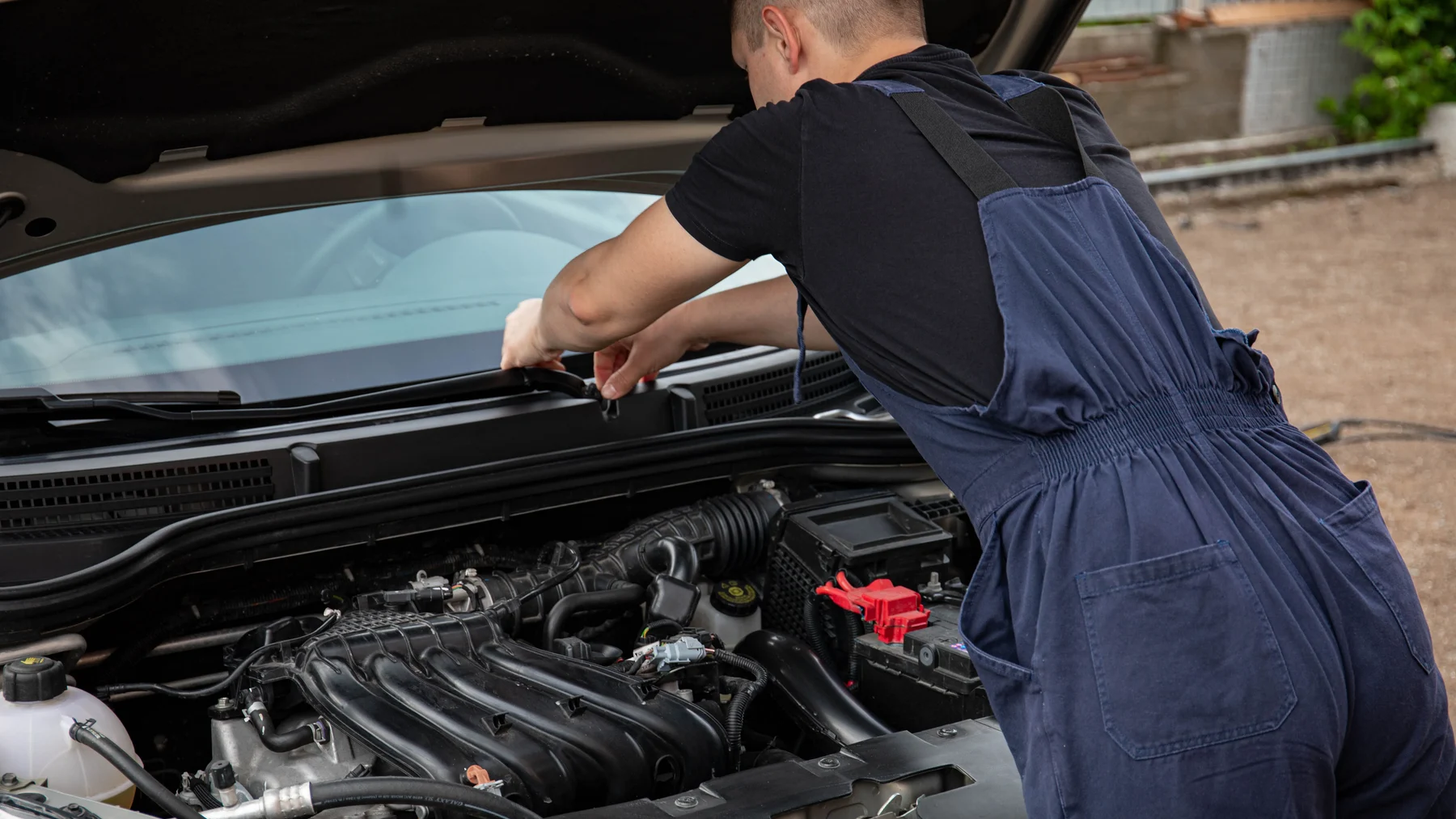
Few maintenance questions get more conflicting answers than how often to change your oil. The old three-thousand-mile rule, newer ten-thousand-mile synthetic claims, and your neighbor's opinion all compete for attention. The honest answer for Chesapeake drivers depends on your vehicle, your oil, and, importantly, how you actually drive around Hampton Roads, because our stop-and-go traffic, heat, humidity, and short trips push many local cars into what carmakers call severe service. Here is a clear, practical guide to getting your oil-change timing right so your engine lasts.
The single best source for your car is the manufacturer's recommended interval in your owner's manual, not a quick-lube sticker or a general rule of thumb. Modern engines and oils vary widely, and automakers publish an interval for normal service and, crucially, a shorter one for severe service. Many newer vehicles also have an oil-life monitoring system that adjusts based on how you drive. The manual is your baseline; the key is knowing which of its two intervals actually applies to your Chesapeake driving, and for a lot of local drivers it is the severe-service one.
This is the part most people miss. Automakers define severe service to include frequent short trips, extended idling and stop-and-go traffic, driving in hot weather, and towing, and Hampton Roads serves up nearly all of it. Short hops to the store around Greenbrier never fully warm the oil, letting moisture and contaminants build up. Sitting in tunnel backups and Battlefield Boulevard traffic keeps the engine running hot while going nowhere. Our summer heat and humidity add stress, and plenty of local drivers tow boats or trailers. If that sounds like your driving, the shorter severe-service interval is the one to follow, even though your car may technically be capable of going longer under ideal highway conditions.
The type of oil matters as much as the interval. Conventional oil is less expensive but breaks down sooner, so it needs changing more often, often in the range many people remember as the classic interval. Full synthetic oil resists heat and breakdown far better, which is a genuine advantage in our hot, stop-and-go conditions, and it can safely go longer between changes, though not as long as marketing sometimes implies for severe service. Many newer vehicles actually require synthetic. Using the oil your engine calls for, at the interval that matches your driving, is what protects it.
Beyond mileage, your car gives hints. An oil-change or check-engine light should never be ignored. Checking the dipstick, dark, gritty oil rather than translucent amber means it is dirty and due, and low oil means it is time regardless of miles. Louder engine operation, a burning-oil smell, or reduced fuel economy can all point to tired oil. If you cannot remember when you last changed it, that itself is a sign. Paying attention to these cues between scheduled changes catches problems and protects the engine, especially in a climate that ages oil faster.
Skipping oil changes is one of the most expensive false economies in car ownership. Oil that is old and dirty loses its ability to lubricate and cool, letting metal parts wear against each other and allowing sludge to build up, which can starve the engine of oil flow. Left long enough, this leads to accelerated wear and, in the worst cases, catastrophic engine failure, a repair that dwarfs the cost of years of oil changes. Our heat and stop-and-go traffic only speed that breakdown, which is why staying on schedule matters more here than in a mild, highway-heavy region. The Car Care Council offers maintenance guidance at carcare.org.
While an oil change is not itself part of Virginia's annual safety inspection, keeping up with oil and general maintenance keeps your whole car healthier and less likely to develop the kinds of problems that do cause an inspection headache. A well-maintained engine runs cleaner and more reliably, and a shop doing your oil change can spot developing issues, worn belts, low fluids, a seeping leak, before they become failures. Bundling oil service with a maintenance check is an efficient way to stay ahead of trouble. Our Virginia inspection guide covers what the annual safety check actually looks at in Hampton Roads.
The easiest way to never worry about it is to build a rhythm: change the oil at the interval that fits your driving, and use each visit as a checkpoint for the rest of the car. Many Chesapeake drivers find that tying oil changes to a season or a recurring reminder keeps them consistent. If you drive severe service, as most of us here do, lean toward the shorter interval and the right oil, and you will get the longest life from your engine. Consistency beats chasing the perfect number.
An oil change is really two jobs, and the filter is the half people forget. The oil filter traps the metal particles, dirt, and sludge that would otherwise circulate through your engine, and a clogged filter does its job poorly no matter how fresh the oil is. A proper service replaces the filter every time, not every other change, so make sure whoever does your oil is not skipping it to shave cost. Between changes, it is also worth checking your oil level yourself once in a while, especially on an older or higher-mileage vehicle that may burn a little oil, and topping off if it is low rather than waiting for the next service. Running low on oil is hard on an engine even if the oil itself is still relatively fresh. A quick dipstick check takes a minute in your driveway in Deep Creek or Western Branch, and it can catch a developing leak or consumption problem early. When we change your oil, we also look over the basics, belts, hoses, fluid levels, and any obvious leaks, so the visit does double duty as a quick health check. That habit of pairing a simple, regular service with a set of experienced eyes is one of the most cost-effective things you can do for your car in our demanding climate, and it is a big part of why cars that get consistent, complete oil service tend to run reliably well past a hundred thousand miles.
How often you should change your oil comes down to your manual, your oil type, and honestly assessing your Hampton Roads driving as the severe service it usually is. Use the right oil, follow the appropriate interval, watch for the warning signs, and do not stretch it to save a few dollars at the risk of your engine. If you would like help figuring out the right interval for your specific vehicle and driving, we are glad to advise and keep you on track. Our auto repair cost guide puts routine maintenance in perspective.
For most local drivers, yes. Automakers define severe service to include frequent short trips, extended idling and stop-and-go traffic, hot weather, and towing, and Hampton Roads has nearly all of it, from tunnel backups to summer heat. If that describes your driving, follow the shorter severe-service interval in your owner's manual rather than the normal one, even if the car could go longer on ideal highway trips.
Often, yes. Full synthetic oil resists heat and breakdown far better than conventional, which is a real advantage in our hot, stop-and-go conditions, and many newer vehicles require it. It can safely go somewhat longer between changes, though not as long as marketing implies under severe service. Using the oil your engine calls for at the right interval is what protects it.
How to Pass Your Virginia State Inspection the First Time — Honest auto repair and maintenance across Chesapeake and Hampton Roads.