Home > Blog > Repairs
Repairs • August 24, 2026
Suspension & Steering Warning Signs in Chesapeake, VA
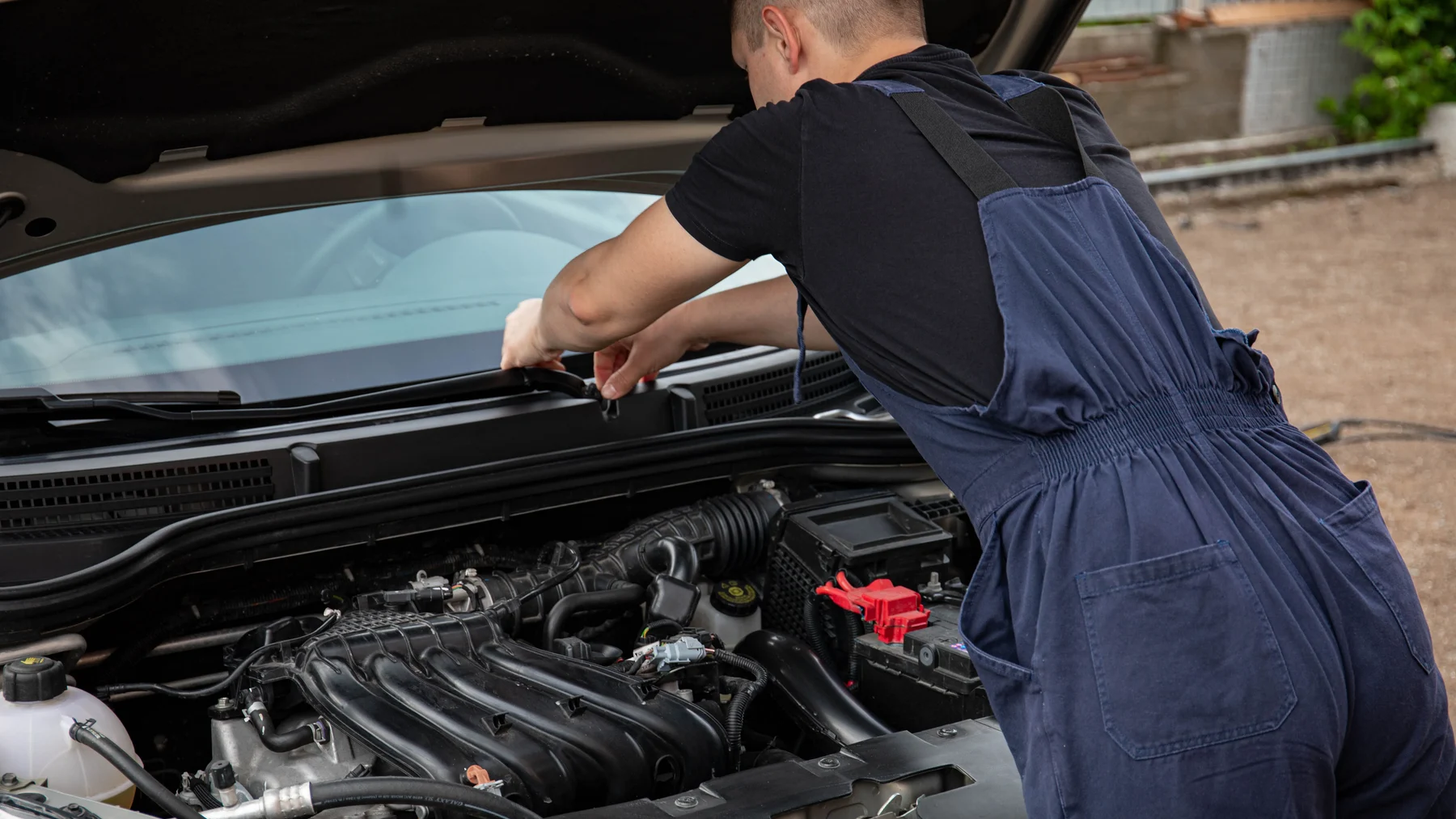
Your car's suspension and steering do more than smooth out the ride, they keep the tires planted, the car controllable, and you safe. In Chesapeake, these systems work harder than most: our roads take a beating, potholes and rough patches are common, and the salt air corrodes components from below. When suspension or steering starts to fail, the warning signs are usually there if you know what to feel and listen for. Here are the ones Hampton Roads drivers should never ignore.
The most common early sign is a ride that has gotten noticeably harsher. Worn shocks and struts lose their ability to absorb bumps, so every seam and pothole comes through the cabin. If your car suddenly feels like it is riding rougher over the same Chesapeake roads it always drove, or you feel every bump on I-64 that you never used to, the shocks or struts are likely wearing out. They fade gradually, so it is easy to miss until the change is significant.
If your vehicle pulls to one side or wanders, requiring constant steering correction to stay straight, something in the alignment, steering, or suspension needs attention. Pulling can come from alignment knocked off by a hard pothole hit, worn steering components, or uneven tire wear, and it makes the car tiring and less safe to drive. On the bridges and highways around Hampton Roads, a car that will not track straight is more than an annoyance; it is a hazard.
Noises are a classic suspension warning. A clunk or knock when you go over a bump, a rattle on rough pavement, or a creak when turning all point to worn or loose components, ball joints, control arm bushings, sway bar links, or strut mounts. In our salty coastal environment these parts corrode and wear, and a clunk you have been ignoring can be a component on its way to failing. Noises like these deserve a prompt inspection.
Your tires tell the story of your suspension and alignment. Uneven wear, more on the inside or outside edge, cupping or scalloped patterns, or tires wearing out faster than they should, points to suspension or alignment problems. Since you are already paying for tires, catching this early saves money by protecting the new set. If a tire tech points out unusual wear, take it as a signal to have the suspension and alignment checked, not just to buy tires and move on.
Pay attention to how the car behaves under braking, acceleration, and cornering. Excessive nose-diving when you brake, squatting when you accelerate, or body roll in turns all suggest worn shocks or struts that are no longer controlling the car's weight transfer. Beyond comfort, this affects braking distance and stability, which matters in Hampton Roads traffic and on wet bridges. A car that pitches and rolls more than it used to is telling you the dampers are tired.
Your steering should feel connected and precise. If it has become loose, vague, or you notice extra play in the wheel before the car responds, worn steering components, tie rods, the rack, or related parts, may be the cause. Loose steering makes the car harder to place accurately and is a safety concern at highway speed. Any change in how directly the car responds to the wheel is worth having checked promptly.
Here in Hampton Roads, corrosion accelerates all of this. Salt air attacks springs, control arms, tie rods, and the fasteners and mounts that hold suspension together, causing parts to weaken, seize, or break earlier than they would inland. That is why a Chesapeake suspension inspection always includes a hard look at corrosion, and why local cars often need suspension work sooner. Rusted, seized components are not just worn; they can fail suddenly, which makes catching them early especially important here.
Suspension and steering problems rarely fix themselves and usually get worse and more expensive. A worn component stresses the parts around it, and a small issue ignored can cascade into a bigger repair or a safety failure. Beyond cost, compromised suspension affects braking, handling, and control, exactly what you rely on in Hampton Roads traffic. Addressing the warning signs early keeps you safe and keeps a minor repair from becoming a major one.
Rough ride, pulling, clunks, uneven tire wear, excessive body motion, and loose steering are all suspension and steering warning signs Chesapeake drivers should take seriously, especially given our rough roads and corrosive salt air. Catching these early protects your safety, your tires, and your wallet. If your car is showing any of these signs, bring it in for an inspection and we will tell you exactly what it needs.
Suspension and steering condition also matters at Virginia inspection time. Worn or damaged steering and suspension components can be inspection failures, and badly corroded parts, common on Hampton Roads cars, may not pass. Keeping suspension in good shape is not only about ride comfort and safety; it helps ensure your car sails through its annual Virginia safety inspection rather than getting flagged for a worn ball joint or a rotted mount you did not know about.
Beyond salt, a few local factors accelerate suspension wear in Chesapeake. Rough and patched roads, potholes that open up after wet winters, and the constant stop-and-go of Hampton Roads traffic all pound the suspension. Hitting a deep pothole on the interstate or a broken patch on a surface street can knock alignment out or damage a component in an instant. Being aware of these stresses helps you connect a sudden new noise or pull to a cause, and to get it looked at promptly.
It is worth emphasizing that suspension and steering are safety systems, not just comfort features. They control how the car stops, corners, and responds in an emergency maneuver, and they keep the tires in proper contact with the road. A failing component does not just make the ride worse; it can compromise your ability to avoid a hazard or keep control on a wet Hampton Roads bridge. That is why these warning signs deserve prompt attention rather than being tuned out.
When you bring a car in for a suspension concern, a good shop inspects the whole system, shocks, struts, springs, control arms, ball joints, tie rods, bushings, and mounts, and shows you what it finds. You should get a clear explanation of what is worn, what is safety-critical, and what can wait, along with an honest estimate. That transparency lets you prioritize repairs sensibly rather than either overspending or ignoring a real hazard. We are always glad to show you exactly what your car needs and why.
The single best advice for Chesapeake drivers is to trust the change. You know how your car normally rides and steers, so when something feels different, harsher, looser, noisier, or less planted, that change is worth investigating even if the car still drives. Suspension issues creep in gradually, and the drivers who catch them early are the ones who pay attention to the small shifts rather than tuning them out. A quick inspection turns that hunch into a clear answer.
The earliest signs are usually a rougher ride than normal, the car pulling to one side, uneven or accelerated tire wear, and clunking or knocking noises over bumps. In Chesapeake, where potholes and rough patches on roads like Battlefield Boulevard and the interstates work suspension hard, these symptoms tend to show up sooner than in gentler driving conditions.
Yes. Coastal salt air corrodes suspension and steering components, springs, control arms, tie rods, and their mounting points, over time, which can lead to failures and to parts seizing or breaking. It is one reason Hampton Roads vehicles often need suspension attention earlier than cars in dry inland climates, and why a corrosion-aware inspection matters here.
How Much Does Auto Repair Cost in Chesapeake? A 2026 Guide — Honest auto repair and maintenance across Chesapeake and Hampton Roads.