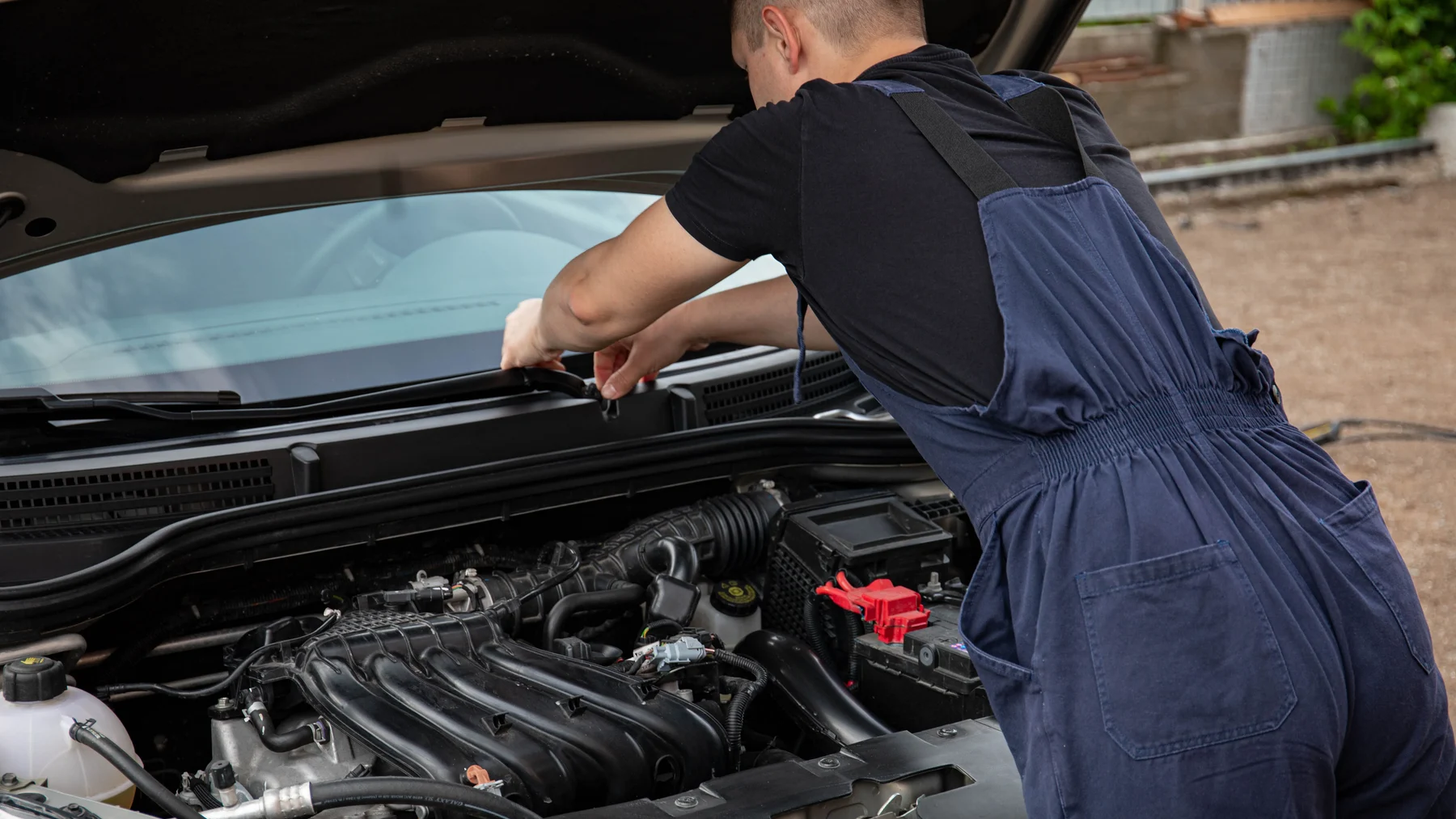
The timing belt is one of the most important parts of your engine that you never see and rarely think about, until it fails and turns into one of the most expensive lessons a driver can learn. Replacing it on schedule is routine maintenance; ignoring it is a gamble that can cost you an engine. For Chesapeake drivers, understanding when your timing belt is due and why the interval matters so much can save you thousands. Here is a straightforward guide to timing belts, when to replace them, and what is at stake if you wait.
The timing belt is a reinforced rubber belt that synchronizes the rotation of your engine's crankshaft and camshaft, keeping the pistons and valves moving in precise coordination. That synchronization is what lets the engine run at all. Because it is made of rubber, the belt wears and degrades over time and mileage, and unlike a squealing accessory belt you can hear, a timing belt usually gives little warning before it lets go. Its hidden, critical role is exactly why manufacturers assign it a strict replacement interval rather than a wait-and-see approach.
The golden rule is to follow your manufacturer's recommended interval, which typically falls somewhere between 60,000 and 100,000 miles depending on the vehicle. Just as important, replace it by age as well as mileage, because rubber deteriorates over the years even on a car that is not driven much, and our humid coastal climate does not help. Check your owner's manual or maintenance records to find your specific interval and confirm whether it has been done. If you bought the car used and cannot verify the belt was ever replaced, the safe assumption is that it is overdue.
Not every vehicle even has a timing belt. Many modern engines use a timing chain instead, which is designed to last the life of the engine and does not require scheduled replacement, though it is not entirely maintenance-free. Others still use a belt that must be changed on schedule. The very first step is knowing which one your car has, because the maintenance implications are completely different. If you are unsure, we can tell you in a moment based on your make, model, and engine, so you know whether this is even a service you need to plan for.
This distinction is the heart of why timing belts matter so much. In an interference engine, the pistons and valves share the same space at different moments, and only the belt's precise timing keeps them apart. If the belt breaks, they collide, causing catastrophic internal damage, bent valves, damaged pistons, and often a ruined engine. In a non-interference engine, a broken belt simply stops the engine without that destruction. Many vehicles on the road are interference designs, which means a snapped belt is not a breakdown, it is potentially a totaled engine. That is the stakes you are managing.
The tricky part is that timing belts often fail with little or no warning, which is why the interval matters more than symptoms. Occasionally you may notice a ticking noise from the engine, difficulty starting, or a check engine light related to timing, but many belts simply snap without a hint. This lack of reliable warning is precisely why you cannot wait until something feels wrong. By the time a timing belt gives symptoms, you may be moments from failure. Scheduled replacement is the only dependable protection.
Here is a money-saving tip our Chesapeake customers appreciate: on many engines the water pump is driven by the timing belt and buried behind it, so the labor to reach one is nearly the same as the other. Since the water pump has a similar lifespan, replacing it at the same time as the timing belt is smart preventive maintenance that saves you paying for the same labor twice later. A good shop will point this out and often the tensioner and idler pulleys too, bundling the related wear items while everything is already apart.
A timing belt service is a meaningful but predictable expense, involving significant labor to access and replace the belt and related components. It is not the cheapest maintenance item, which is why people are tempted to put it off. But weigh it against the alternative: on an interference engine, a failed belt can mean an engine replacement or major rebuild costing several times more, plus a tow and downtime. Viewed that way, timing belt replacement is one of the best-value insurance policies in car ownership. Belt makers like Gates publish interval guidance worth checking against your manual.
The timing belt deserves special attention if you are buying a used vehicle around Chesapeake, and it is a step many buyers skip to their regret. When you look at a used car with 70,000, 90,000, or more miles, one of the first questions to ask is whether the timing belt has been replaced and when, because if it is an interference engine and the belt is original and overdue, you could be buying a very expensive repair that is about to come due. Ask for service records, and if the seller cannot prove the belt was done, factor a replacement into your offer or budget for it right away, since assuming an unknown belt is fine is exactly how buyers end up with a ruined engine shortly after purchase. This is especially relevant in a transient military community like ours, where service members stationed at Naval Station Norfolk frequently buy and sell vehicles around PCS moves and a car may have changed hands several times with spotty records. A pre-purchase inspection that includes checking the timing-belt status is inexpensive insurance against inheriting someone else's deferred maintenance. If you are shopping for a used car and are not sure where its timing belt stands, we are glad to inspect it and check the interval before you commit, so you know whether you are looking at a sound vehicle or a hidden bill waiting to land the first time you take it over the High Rise Bridge.
Your timing belt is cheap insurance against a catastrophic engine failure, but only if you replace it before it breaks. Know whether your car uses a belt or a chain, follow the manufacturer interval by both mileage and age, bundle the water pump and pulleys while you are in there, and never wait for symptoms that may never come. If you are unsure where your belt stands, reach out and we will check your history and interval and give you an honest recommendation for your Chesapeake vehicle.
Go by your manufacturer interval, which is usually somewhere between 60,000 and 100,000 miles, and by time as well as mileage, since rubber ages even on a low-mile car. Check your owner manual or service records, and if you cannot confirm it was ever done, assume it is due. Many newer engines use a timing chain instead, which does not need scheduled replacement, so the first step is knowing which one your vehicle has. We can tell you quickly.
On an interference engine, which many vehicles have, a snapped timing belt lets the pistons and valves collide, causing severe internal damage that can total the engine or require a very expensive rebuild. On a non-interference engine the car simply stalls without that catastrophic damage, but you are still stranded. Because you often get little or no warning before a belt fails, replacing it on schedule is far cheaper than gambling on it, especially on the interstates around Hampton Roads.
How to Pass Your Virginia State Inspection the First Time — Honest auto repair and maintenance across Chesapeake and Hampton Roads.