Home > Blog > Maintenance
Maintenance • August 24, 2026
How Often Should You Rotate Your Tires in Chesapeake, VA?
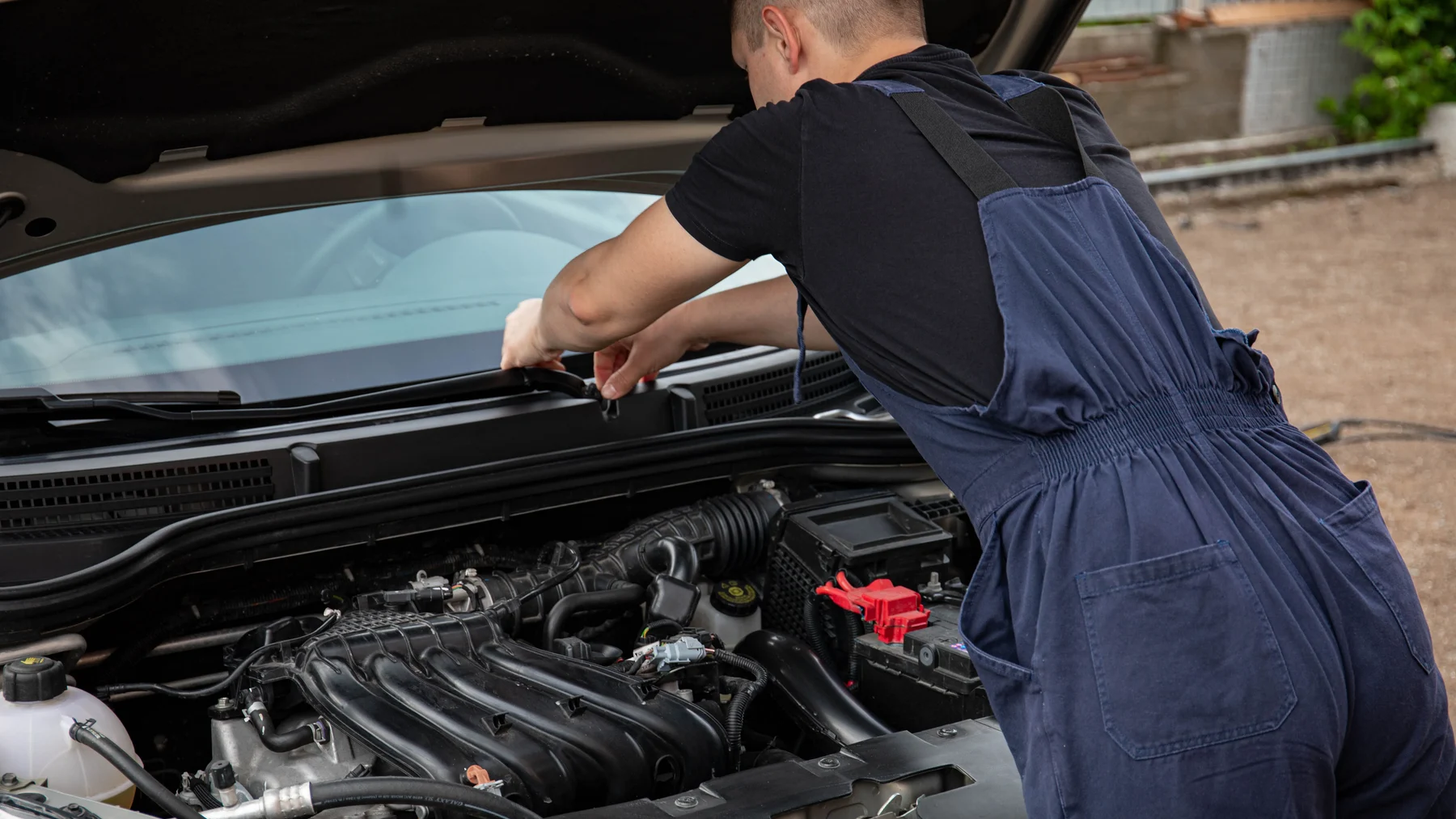
Tire rotation is one of the simplest, cheapest pieces of car maintenance, and one of the most commonly skipped. Moving your tires to different positions on a regular schedule makes them wear evenly, last longer, and perform better, and in Chesapeake it also helps you sail through Virginia's annual safety inspection. Here is how often to rotate your tires, why it matters, and how Hampton Roads driving conditions factor in.
Your tires do not all do the same job. On most cars the front tires handle steering and, on front-wheel-drive vehicles, most of the power and braking, so they wear faster and differently than the rears. Left alone, the fronts wear out while the rears still have plenty of tread. Rotating the tires evens out that wear so the whole set ages together, which is exactly what you want for both longevity and safe, balanced handling.
For most vehicles, rotating every 5,000 to 7,500 miles is the standard recommendation, which conveniently lines up with roughly every other oil change. That regular interval keeps wear even before it has a chance to become a problem. Your owner manual may specify something slightly different for your vehicle, so it is worth checking, but tying rotation to your oil-change routine is an easy way to make sure it actually happens.
Driving conditions matter. Chesapeake drivers who spend a lot of time in stop-and-go traffic around Greenbrier, on Battlefield Boulevard, or crawling toward the tunnels put extra, uneven stress on tires, and heavy highway miles over the bridges add their own wear. If your driving is demanding, staying toward the shorter end of the rotation range keeps wear even. The mix of city and bridge-and-tunnel driving common in Hampton Roads is exactly the kind of use that rewards regular rotation.
Virginia requires an annual safety inspection, and tire condition is part of it. Tires worn below the legal tread depth or showing damage will fail, and failing means you cannot legally drive until it is fixed. Regular rotation helps all four tires wear evenly, so you are far less likely to have one bald tire fail the inspection while the others look fine. Keeping up with rotation is a simple way to avoid an inspection-time surprise.
The clearest payoff of rotation is money. Tires are expensive, and a set that wears evenly can last thousands of miles longer than one that does not, sometimes the difference between replacing tires every few years and stretching them noticeably further. For a small rotation cost, or often free when bundled with other service, you protect a much larger investment. Skipping rotation to save a few dollars usually costs far more in premature tire replacement.
Evenly worn tires grip more predictably, which matters for safety, especially on the wet roads and bridges Hampton Roads sees so often. Uneven wear can hurt traction, lengthen stopping distances, and make handling less predictable in the rain. Rotation keeps your tires performing consistently across all four corners, so the car behaves the way you expect when you need to brake or maneuver. Good, even tread is a quiet but real safety feature.
Rotation is also an inspection opportunity. With all four tires off, a technician can spot uneven wear patterns that reveal alignment or suspension problems, check brake condition, and look for the corrosion Hampton Roads salt air causes underneath. That is why rotation pairs naturally with an alignment check: if the tires are wearing unevenly despite rotation, the alignment or suspension may need attention. Catching those issues early during a routine rotation saves bigger repairs later.
Rotation and alignment work together. Rotation moves the wear around; alignment ensures the tires meet the road at the correct angles so they do not wear unevenly in the first place. If you have hit a bad Chesapeake pothole or notice the car pulling, an alignment check alongside your rotation is smart. Together they give you the longest tire life and the best handling, and they are easy to schedule at the same visit.
Rotate your tires roughly every 5,000 to 7,500 miles, or about every other oil change, and stay toward the shorter end if you rack up demanding Hampton Roads miles. Regular rotation makes tires last longer, keeps handling safe and even, helps you pass Virginia inspection, and gives a technician a chance to catch other issues early. It is inexpensive insurance for one of your car's most important, and most expensive, systems. Schedule your rotation with us and we will check the tires and alignment together.
Rotation is not just swapping front and back; the correct pattern depends on your vehicle. Front-wheel-drive, rear-wheel-drive, and all-wheel-drive cars each have recommended rotation patterns, and directional tires or staggered wheel setups follow their own rules. Getting the pattern right is part of doing rotation correctly, which is one reason many drivers leave it to the shop rather than risk doing it wrong. When you bring your car to us in Chesapeake, we rotate it in the pattern the manufacturer specifies.
If you are not tracking mileage, your car will often tell you it is overdue. Noticeable differences in tread depth between front and rear tires, new road noise or vibration, or a technician pointing out uneven wear are all signs rotation has been neglected. Once uneven wear sets in, rotation can slow it but not undo it, so the earlier you keep up the schedule, the more tire life you preserve. If it has been a while, it is worth catching up now before the wear becomes permanent.
The easiest way to stay on schedule is to bundle rotation with the service you already do. Having your tires rotated at every other oil change, or whenever you come in for other maintenance, means it happens automatically without you having to track it. It also puts your car on a lift regularly, giving a technician the chance to spot brake wear, fluid leaks, and the salt-air corrosion that Hampton Roads cars are prone to. Routine rotation becomes a checkpoint for the whole vehicle.
Tire rotation is not glamorous, but few maintenance habits pay off as reliably. For a small, regular effort, you get longer tire life, safer and more even handling, a better shot at passing Virginia inspection, and regular chances to catch other problems early. Over the life of a car, that adds up to real money saved and real safety gained. If you are not sure when your tires were last rotated, that is a good sign it is time, and we are happy to take care of it.
If mileage is hard to track, the calendar can help. Many Chesapeake drivers simply rotate their tires a couple of times a year, pairing it with seasonal check-ups, which keeps wear even without doing the math on odometer readings. However you remember it, the goal is the same: regular, consistent rotation so no single tire carries more than its share. Pick whatever reminder works for you and stick with it, and your tires and your wallet will both be better for it.
A good rule of thumb is every 5,000 to 7,500 miles, or roughly every other oil change, though you should check your owner manual for your vehicle. Cars that see a lot of stop-and-go Hampton Roads traffic or heavy highway miles over the bridges may benefit from staying at the shorter end of that range to keep wear even.
Yes. The Virginia annual safety inspection checks tire condition, and tires worn below the legal tread limit or with damage will fail. Regular rotation helps tires wear evenly so they last longer and are more likely to pass, while uneven wear from skipped rotations can leave one tire bald enough to fail even when the others look fine.
How Much Does Auto Repair Cost in Chesapeake? A 2026 Guide — Honest auto repair and maintenance across Chesapeake and Hampton Roads.