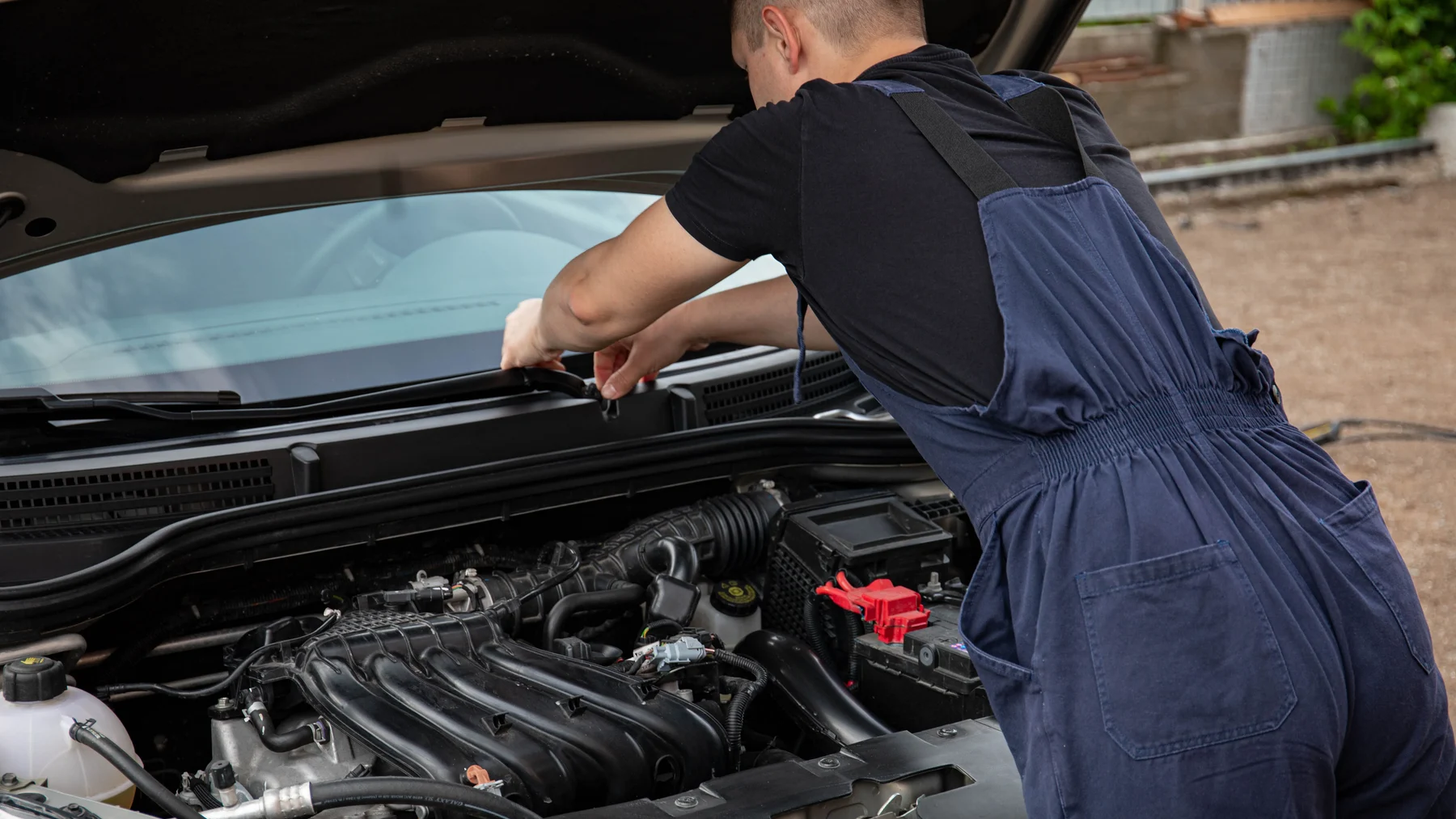
Diesel trucks are everywhere in Hampton Roads, hauling boats to the water, working construction across the growing Chesapeake suburbs, towing for military moves, and serving as daily drivers for people who simply prefer the torque and longevity. Diesels are built to go the distance, often well past 200,000 miles, but only if they are maintained by someone who understands them. Diesel service is genuinely different from gas engine work, and knowing what your truck needs, and where the local environment factors in, keeps it running strong for the long haul.
A diesel engine has no spark plugs, runs at much higher compression, and relies on robust fuel injection, turbocharging, and, on modern trucks, complex emissions systems. That means different maintenance intervals, different diagnostic knowledge, and specialized tools. A shop needs to understand diesel-specific components to service them properly, which is why not every general repair shop is well suited to diesel work. Matching your truck to a shop comfortable with diesels matters.
The fuel system is the heart of a diesel and one of the most expensive things to repair if neglected. Diesels are sensitive to fuel contamination and water in the fuel, so regular fuel filter changes and water separator maintenance are critical. Injectors and the high-pressure pump are costly components that clean fuel and proper maintenance protect. Staying on top of fuel system service is the single best way to avoid the big-ticket diesel repairs.
Modern diesel trucks carry emissions equipment, DPF filters, DEF fluid systems, and EGR components, that keep them clean but also introduce their own maintenance and failure points. Keeping DEF topped off, allowing regeneration cycles to complete, and addressing warning lights promptly prevents these systems from causing expensive limp-mode problems. A diesel-savvy shop can diagnose and service emissions components correctly rather than guessing, which is important because these repairs get pricey when they escalate.
Trucks that work near the water, and in Hampton Roads that is most of them, face heavy salt-air corrosion. Undercarriages, brake and fuel lines, frames, and connectors all corrode faster in our coastal environment, and trucks used for towing or hauling near the beaches and waterways see it worst. Proactive inspection and undercarriage care catch corrosion before it compromises safety or fails the Virginia safety inspection, which scrutinizes exactly these components.
Many Chesapeake diesels earn their keep towing and hauling, and that hard use, combined with our hot, humid summers and stop-and-go traffic on I-64 and around the tunnels, stresses cooling and drivetrain systems. Diesels running hot under load need their cooling systems, transmission fluid, and turbo systems in good shape. Regular service tuned to how you actually use the truck, daily driver versus heavy work truck, keeps it reliable when you need it most.
The reason people love diesels is longevity, and that longevity is earned through maintenance. Regular oil changes with the correct diesel-rated oil, fuel and air filter service, coolant and DEF attention, and staying ahead of the emissions system all add up to a truck that runs well past the point where many gas engines are tired. Skipping diesel maintenance to save money almost always costs more later. It is a pay-now-or-pay-much-more-later kind of engine.
Whether you drive a light-duty diesel pickup or a heavier work truck, the right shop understands diesel systems, has the diagnostic capability, and gives you honest guidance on what your truck needs now versus what can wait. We are happy to look at your diesel and build a maintenance plan around how you use it here in Hampton Roads. For general vehicle safety and recall information, the NHTSA is a useful resource for truck owners.
Our winters are mild compared with the north, but Hampton Roads still sees cold snaps that affect diesels, which are more sensitive to cold than gas engines. Glow plugs, batteries, and fuel gelling in an unexpected hard freeze can all cause hard starts on a diesel that sat overnight. Using the right seasonal fuel, keeping batteries and glow plugs in good shape, and addressing slow cold starts early prevents a no-start morning when you have a job to get to. It is a smaller concern here than in colder climates, but for a work truck you depend on, it is worth staying ahead of before the first cold snap arrives.
Diesel and truck repair for Chesapeake, Deep Creek, Hickory, Suffolk, and greater Hampton Roads.
Yes. Diesels have no spark plugs, run at higher compression, and rely on complex fuel, turbo, and emissions systems, so they need different maintenance intervals, diagnostic knowledge, and tools. Not every general shop is well suited to diesel work.
Coastal salt corrodes undercarriages, frames, and brake and fuel lines faster, especially on trucks used near the water. Proactive inspection catches corrosion before it becomes a safety issue or fails the Virginia safety inspection.
How to Pass Your Virginia State Inspection the First Time — Honest auto repair and maintenance across Chesapeake and Hampton Roads.
Diesel trucks are everywhere in Hampton Roads, hauling boats to the water, working construction across the growing Chesapeake suburbs, towing for military moves, and serving as daily drivers for people who simply prefer the torque and longevity. Diesels are built to go the distance, often well past 200,000 miles, but only if they are maintained by someone who understands them. Diesel service is genuinely different from gas engine work, and knowing what your truck needs, and where the local environment factors in, keeps it running strong for the long haul.
A diesel engine has no spark plugs, runs at much higher compression, and relies on robust fuel injection, turbocharging, and, on modern trucks, complex emissions systems. That means different maintenance intervals, different diagnostic knowledge, and specialized tools. A shop needs to understand diesel-specific components to service them properly, which is why not every general repair shop is well suited to diesel work. Matching your truck to a shop comfortable with diesels matters.
The fuel system is the heart of a diesel and one of the most expensive things to repair if neglected. Diesels are sensitive to fuel contamination and water in the fuel, so regular fuel filter changes and water separator maintenance are critical. Injectors and the high-pressure pump are costly components that clean fuel and proper maintenance protect. Staying on top of fuel system service is the single best way to avoid the big-ticket diesel repairs.
Modern diesel trucks carry emissions equipment, DPF filters, DEF fluid systems, and EGR components, that keep them clean but also introduce their own maintenance and failure points. Keeping DEF topped off, allowing regeneration cycles to complete, and addressing warning lights promptly prevents these systems from causing expensive limp-mode problems. A diesel-savvy shop can diagnose and service emissions components correctly rather than guessing, which is important because these repairs get pricey when they escalate.
Trucks that work near the water, and in Hampton Roads that is most of them, face heavy salt-air corrosion. Undercarriages, brake and fuel lines, frames, and connectors all corrode faster in our coastal environment, and trucks used for towing or hauling near the beaches and waterways see it worst. Proactive inspection and undercarriage care catch corrosion before it compromises safety or fails the Virginia safety inspection, which scrutinizes exactly these components.
Many Chesapeake diesels earn their keep towing and hauling, and that hard use, combined with our hot, humid summers and stop-and-go traffic on I-64 and around the tunnels, stresses cooling and drivetrain systems. Diesels running hot under load need their cooling systems, transmission fluid, and turbo systems in good shape. Regular service tuned to how you actually use the truck, daily driver versus heavy work truck, keeps it reliable when you need it most.
The reason people love diesels is longevity, and that longevity is earned through maintenance. Regular oil changes with the correct diesel-rated oil, fuel and air filter service, coolant and DEF attention, and staying ahead of the emissions system all add up to a truck that runs well past the point where many gas engines are tired. Skipping diesel maintenance to save money almost always costs more later. It is a pay-now-or-pay-much-more-later kind of engine.
Whether you drive a light-duty diesel pickup or a heavier work truck, the right shop understands diesel systems, has the diagnostic capability, and gives you honest guidance on what your truck needs now versus what can wait. We are happy to look at your diesel and build a maintenance plan around how you use it here in Hampton Roads. For general vehicle safety and recall information, the NHTSA is a useful resource for truck owners.
Our winters are mild compared with the north, but Hampton Roads still sees cold snaps that affect diesels, which are more sensitive to cold than gas engines. Glow plugs, batteries, and fuel gelling in an unexpected hard freeze can all cause hard starts on a diesel that sat overnight. Using the right seasonal fuel, keeping batteries and glow plugs in good shape, and addressing slow cold starts early prevents a no-start morning when you have a job to get to. It is a smaller concern here than in colder climates, but for a work truck you depend on, it is worth staying ahead of before the first cold snap arrives.
How to Pass Your Virginia State Inspection the First Time — Honest auto repair and maintenance across Chesapeake and Hampton Roads.