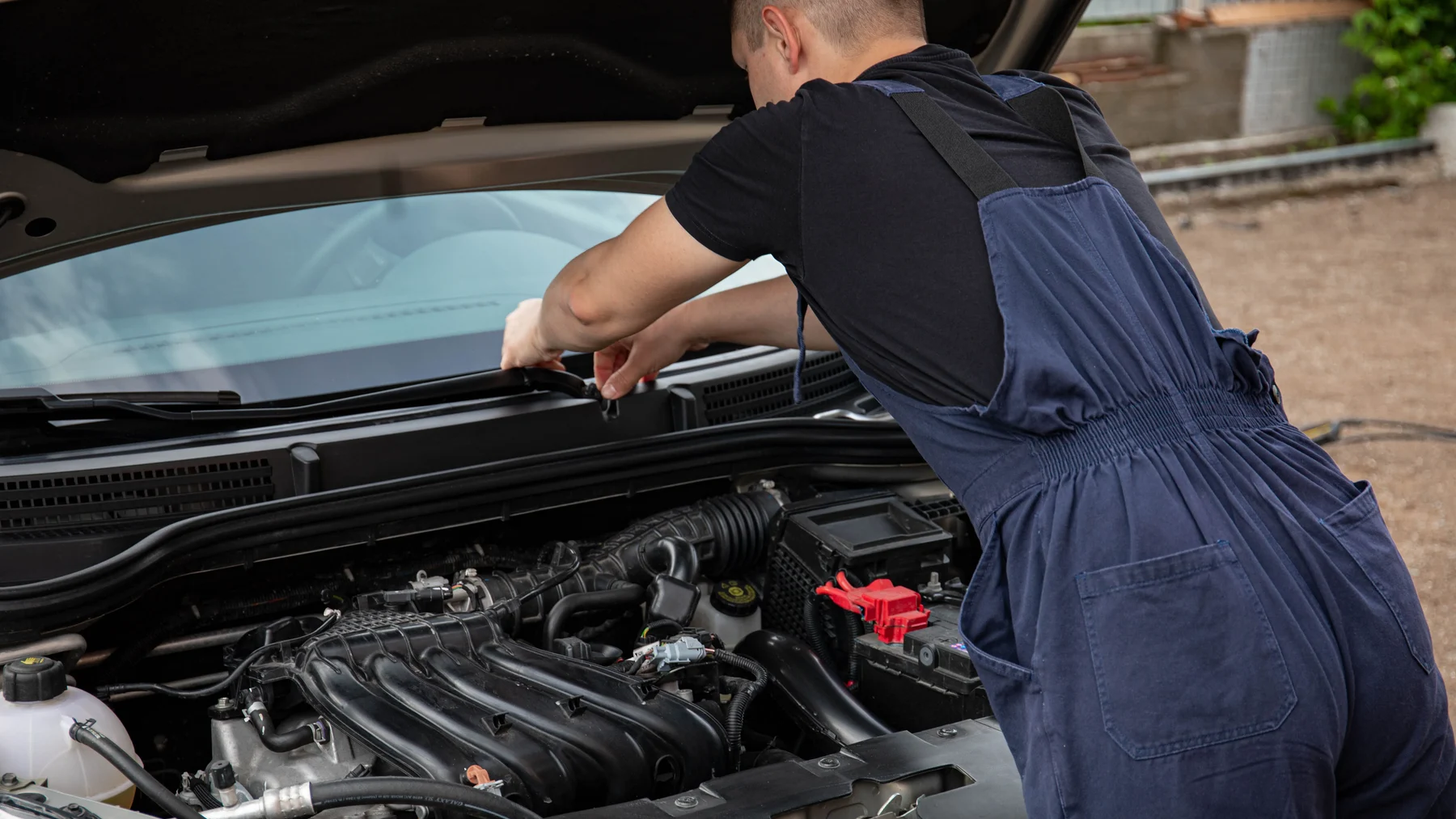
Belts and hoses are the parts nobody thinks about until they fail, and when they fail they tend to do it at the worst possible moment, in stop-and-go traffic on I-64 or halfway across the HRBT. In Hampton Roads, the local climate stacks the deck against them, because heat and humidity age rubber faster than a mild, dry region ever would. The good news is that a failing belt or hose almost always gives warning signs before it strands you, if someone is looking. Here is what Chesapeake drivers should know about keeping these humble parts from ruining a day.
Belts and hoses are rubber, and rubber hates the combination Hampton Roads serves up. Long, hot, humid summers cook the material, heat cycles under the hood make it expand and contract, and the moisture-laden coastal air works on it constantly. Over time this causes belts to crack, glaze, and lose grip, and hoses to harden, soften, or bulge at weak points. The result is that components that might last for years in a temperate climate often wear out sooner here, which is why local mileage-based assumptions can leave you overdue without realizing it.
The serpentine belt is the long, snaking belt that drives most of your engine's accessories, and it broadcasts its decline if you know the signs. A squealing or chirping noise, especially on startup or in the damp, often means a worn or slipping belt. Visible cracks across the ribs, a glazed shiny surface, or missing chunks are clear signals it is near the end. Because this one belt typically runs the alternator, water pump, power steering, and AC compressor, letting it fail means losing several systems at once, so catching these signs early is well worth it.
Hoses fail more quietly than belts but can be just as stranding. Radiator and heater hoses carry hot coolant under pressure, and as they age in our heat they grow soft, brittle, or swollen, often failing at the ends or at a bulge you can feel by squeezing them when cool. A burst hose dumps coolant and leads straight to overheating, which in Hampton Roads summer traffic can cause serious engine damage in minutes. Inspecting hoses for soft spots, cracks, and leaks is a routine check that prevents an expensive roadside failure.
The reason belts and hoses so rarely need to strand anyone is that they are easy to inspect. A good shop checks them at every oil change and service, looking for the cracking, glazing, softness, and leaks that precede a failure. Because our climate ages them unpredictably, this regular visual check matters more in Chesapeake than a strict mileage schedule would suggest. Replacing a marginal belt or hose during a service you were doing anyway is inexpensive and quick, and it is the whole game when it comes to avoiding a breakdown.
The economics here are lopsided in your favor if you act early. A belt or hose replaced proactively is one of the more affordable jobs on a car. The same part left until it fails can mean a tow, an overheated engine, and a repair many times the cost, not to mention being stranded in Hampton Roads traffic. Given how our heat and humidity accelerate the wear, keeping an eye on belts and hoses is one of the smartest, cheapest habits a Chesapeake driver can adopt. For maintenance guidance on belts and hoses, the Car Care Council offers resources at carcare.org.
It depends on the vehicle and mileage, but our climate tends to shorten their life. Heat and humidity degrade rubber faster than a mild, dry climate does, so belts and hoses in Chesapeake often need attention sooner than the mileage tables suggest. The safest approach is to have them inspected at every service so a technician can catch cracking, glazing, or soft spots before they let go on the road.
You lose several systems at once. The serpentine belt drives the alternator, water pump, power steering, and AC compressor on most cars, so when it snaps you can lose charging, cooling, and steering assist within minutes, often followed by overheating. In Hampton Roads traffic on I-64 or the HRBT, that goes from inconvenient to dangerous quickly. A belt caught early during service is a cheap fix; one that breaks in traffic is not.
How to Pass Your Virginia State Inspection the First Time — Honest auto repair and maintenance across Chesapeake and Hampton Roads.